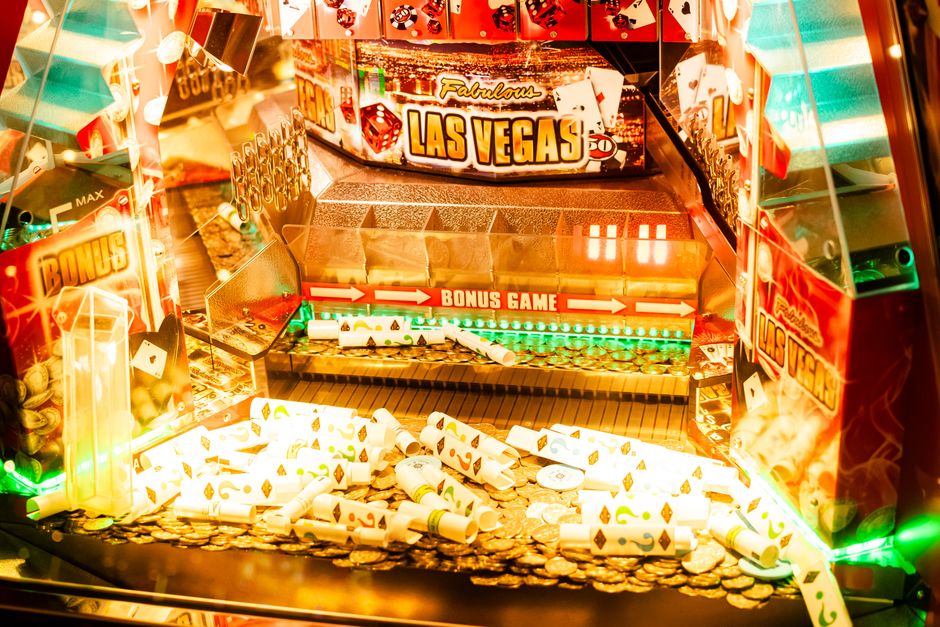
Defining the Contemporary Slot
The term "slot" has undergone a profound semantic and technological shift over the past century. Originally referring to a simple coin-operated mechanical device with three spinning reels, the modern slot is now a complex piece of software architecture, a digital entertainment product, and a cornerstone of the global gaming industry. In professional discourse, a slot is no longer merely a machine; it is a dynamic system of probability, user interface design, and behavioral psychology. Understanding its current iteration requires an examination of the underlying mechanics, regulatory frameworks, and market forces that have shaped it into a sophisticated tool for both amusement and revenue generation.
The Mechanical Foundation and Digital Shift
The earliest slots, such as the Liberty Bell from the late 19th century, were purely mechanical. They relied on physical gears, springs, and stop levers to determine outcomes. The number of symbols per reel was limited, and the probability of hitting a jackpot was determined by the physical arrangement of the metal stops. The transition to electro-mechanical systems in the 1960s allowed for more complex payout tables and larger jackpots, but the real paradigm shift came with the introduction of the video slot in the 1970s and 80s. This digital evolution replaced physical reels with a random number generator (RNG)—a critical software algorithm that cycles through thousands of numbers per second. When a player initiates a spin, the RNG stops at a specific number that maps to a set of symbols. This technology decoupled the game from physical constraints, enabling unlimited thematic complexity, multi-line betting, and progressive prize pools. Today, a slot exists entirely as code, hosted on a server and rendered on a screen, blurring the line between gaming and interactive media.
Architecture and Random Number Generation
At the core of every modern slot is the RNG, which must meet rigorous standards set by independent testing laboratories and gaming commissions. The RNG is not random in a chaotic sense; it is a pseudo-random algorithm designed to produce statistically uniform results over millions of cycles. This ensures that each spin is an independent event, free from pattern or predictability. Professional operators and developers architect slots around two key metrics: the Return to Player (RTP) percentage and the volatility index. The RTP is a theoretical, long-term calculation of the percentage of wagered money that the slot will return to players (e.g., a 96% RTP implies a 4% house edge). Volatility describes the risk profile: low-volatility slots pay out smaller amounts frequently, while high-volatility slots offer larger, less frequent payouts. Understanding these parameters is essential for anyone evaluating a slot from a technical or strategic perspective. Furthermore, game mathematics—often managed by specialized mathematicians—dictate the frequency of bonus rounds, free spins, and symbol distributions to create an engaging yet mathematically sound product.
Psychological Design and User Engagement
The modern slot is a masterclass in applied psychology. Designers employ a range of techniques derived from behavioral economics and cognitive neuroscience to optimize player engagement. The concept of “near misses,” where two matching symbols appear just above or below the payline, triggers a neural response in the brain’s reward centers, almost mimicking the effect of a win. Visual and auditory feedback loops, such as celebratory sounds for small wins or animated sequences for bonus rounds, condition a state of anticipation. The use of variable ratio reinforcement—the same principle that makes social media notifications compelling—ensures that the player cannot predict when the next reward will occur, driving prolonged interaction. Professional design also focuses on “flow state,” where the speed of play, visual complexity, and soundscape combine to reduce the player’s perception of time and monetary loss. This is why modern slots often feature rapid spin cycles, auto-play functions, and immersive themes based on popular culture, effectively merging entertainment with transactional behavior.
Regulatory Landscape and Compliance
The operation of slots is one of the most heavily regulated sectors in the entertainment industry. Jurisdictions such as Nevada, New Jersey, and the United Kingdom require that every slot be submitted for independent audit before it can be deployed. Testing agencies like eCOGRA, GLI, and BMM verify that the RNG is truly random, that the payout percentages align with published figures, and that the game logic cannot be exploited. For online platforms, additional layers of security are required, including encrypted data transmission, server location audits, and anti-fraud protocols. Compliance extends beyond fairness to include responsible gaming features, such as mandatory “reality checks,” deposit limits, and self-exclusion tools. A professional approach to slots, whether as a developer, operator, or investor, demands a thorough understanding of these legal frameworks to mitigate risk and ensure operational longevity.
The Role of the Slot in the Wider Ecosystem
Slots are not merely standalone products; they are integral to the economics of casinos and online gaming platforms. Floor placement, for instance, is a strategic science where high-traffic areas receive the most volatile or popular machines. In the digital space, slots serve as a primary driver of user acquisition and retention. They are often the most lucrative vertical for online operators due to their high margins and low variable costs compared to live dealer games. Moreover, the rise of gamification—including leaderboards, achievements, and progressive jackpot networks—has transformed the solitary act of playing a slot into a social, competitive experience. The industry has also seen a convergence with the broader tech sector, where slots borrow user interface patterns from mobile apps and video games. For those looking to explore this dynamic sector further, understanding the modern slot is a prerequisite for navigating the intersection of entertainment, data analytics, and regulatory compliance.
Conclusion: The Slot as a Digital Product
In conclusion, the slot has evolved far beyond the simple mechanical novelty of its origins. It is now a sophisticated digital product, meticulously engineered for engagement, profitability, and regulatory compliance. From the invisible algorithm of the RNG to the overt sensory stimulation of its interface, every aspect of the modern slot is a calculated design choice. For professionals in the field—whether game designers, casino operators, or investors—a deep appreciation of these mechanics is essential. The slot remains a powerful lens through which to view the broader trends in digital entertainment, behavioral design, and the enduring human fascination with chance.